Phone
+91 7044410150

Contact Email
ccmarketingandsales@gmail.com
+91 7044410150
ccmarketingandsales@gmail.com

Section 12A registration is a one-time exemption granted by the Income Tax Department to trusts, societies, and Section 8 companies. By obtaining this registration, a non-profit organization becomes eligible to exclude its total income from the tax bracket, provided the funds are utilized for charitable purposes. It acts as a primary certificate of recognition, transforming a social entity into a tax-exempt institution and allowing it to retain more resources for its core mission.
To successfully apply for 12A registration, an organization must provide a comprehensive set of legal and financial records. This typically includes the Trust Deed or Memorandum of Association (MOA), the Certificate of Incorporation, and PAN cards for both the entity and its members. Additionally, you will need to submit three years of audited financial statements (or accounts from the date of inception) and a detailed note on the activities the organization has undertaken to prove its commitment to social welfare.
The primary advantage of 12A registration is the complete tax immunity it provides on the organization’s surplus income, ensuring that every rupee earned goes back into community service. Furthermore, it significantly boosts the credibility of the NGO, making it eligible to apply for government grants and international funding. It also serves as a mandatory prerequisite for obtaining 80G registration, which allows donors to claim tax deductions on their contributions, thereby encouraging more frequent and larger donations.

Section 80G registration is a powerful tool for non-profit organizations to incentivize philanthropy. Under the Income Tax Act, this registration allows donors—whether individuals or corporations—to claim a deduction from their taxable income for the contributions they make to your NGO. It essentially lowers the “cost” of giving for the donor, making it a critical asset for any Section 8 company or trust looking to build a sustainable fundraising model and attract high-value contributions.
To apply for 80G status, your organization must demonstrate financial transparency and legal compliance through several key documents. This includes a copy of the 12A registration certificate, the Registration Certificate of the NGO (Trust Deed or Society Registration), and audited financial reports for the preceding three years. Furthermore, the authorities require a detailed report on the activities performed by the organization to ensure that the funds collected are being utilized strictly for charitable objectives.
The most significant benefit of 80G registration is the boost in donor confidence; it serves as a mark of authenticity that reassures contributors their money is going to a legitimate, government-recognized cause. This status opens doors to corporate funding (CSR), as most businesses only donate to organizations that can provide them with tax-saving receipts. Additionally, it fosters a culture of transparency and accountability, as the NGO must maintain rigorous records to retain its status, ultimately making the organization more eligible for various government grants and international collaborations.
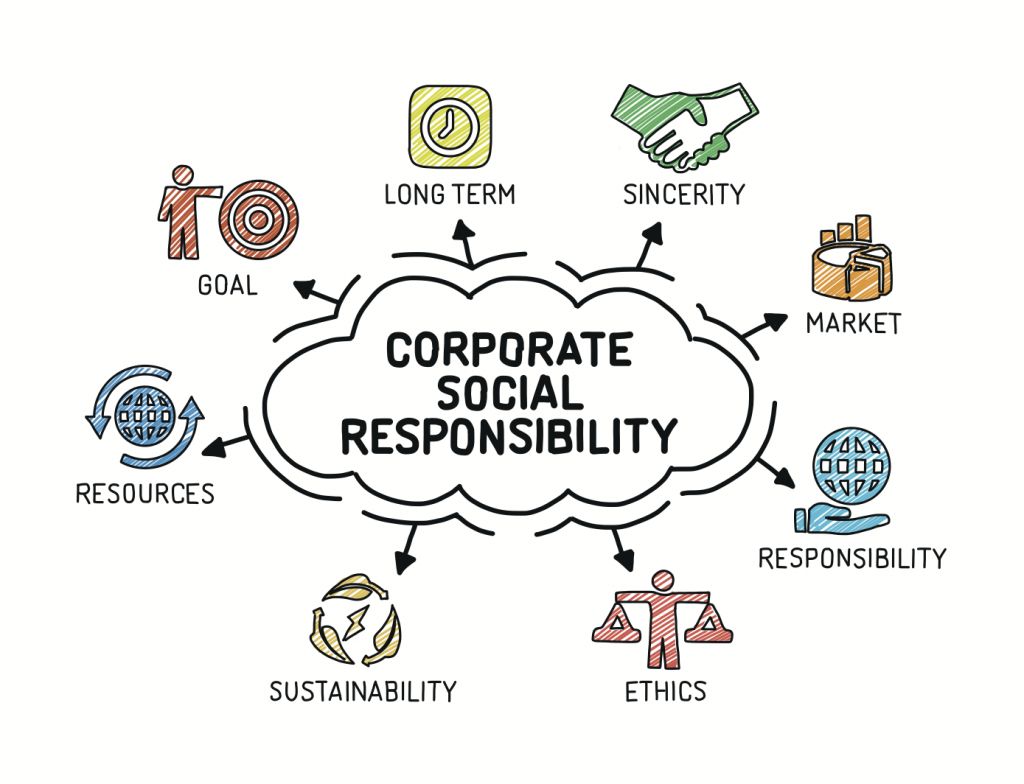
CSR Registration, specifically via Form CSR-1, is a mandatory requirement for any NGO or Section 8 company that intends to undertake Corporate Social Responsibility (CSR) activities funded by corporations. This registration ensures that the organization is officially recognized by the Ministry of Corporate Affairs (MCA) as an eligible implementing agency. It serves as a bridge between the corporate sector’s legal obligation to give back to society and the NGO’s mission to drive social change, creating a transparent and standardized ecosystem for philanthropy in India.
To complete the CSR-1 filing, an organization must submit several key legal and digital credentials. This includes the 12A and 80G registration order copies, which prove the entity’s tax-exempt status. Additionally, the PAN card of the NGO, a Digital Signature Certificate (DSC) of the authorized signatory, and a detailed list of the board members or trustees are required. Ensuring that the email ID and mobile number of the applicant are valid is also crucial, as these are used for official communication and verification by the MCA.
The primary benefit of CSR registration is that it makes your organization eligible to receive institutional funding from large companies that are legally required to spend 2% of their net profits on social causes. Beyond financial access, it significantly enhances the reputation of the NGO, signaling to the government and private donors that the entity is compliant and trustworthy. Being CSR-certified allows for a more stable flow of funds, enabling the organization to plan long-term social transformations in sectors like education, healthcare, and environmental sustainability.

“Your trusted partner in tax compliance and financial growth. Stay connected for expert tax insights, regulatory updates, and strategies for your business.”