Phone
+91 7044410150

Contact Email
ccmarketingandsales@gmail.com
+91 7044410150
ccmarketingandsales@gmail.com
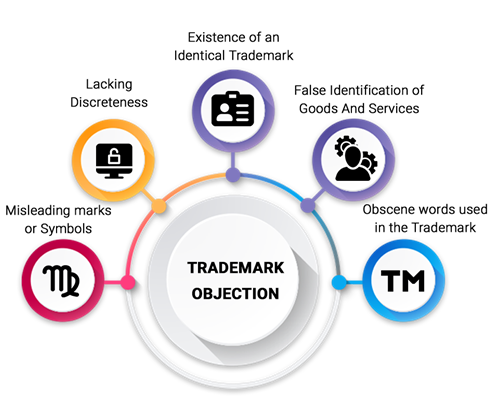
A Trademark Objection is a formal challenge raised by the Trademark Examiner during the initial stages of the registration process. This occurs when an application does not meet the legal requirements set by the Registry, often due to issues like similarity with existing marks or lack of distinctiveness. It is a critical stage where the applicant must provide a legal justification to ensure their brand remains protected.
The nature of an objection generally falls into two primary categories based on the Trademark Act:
Absolute Grounds of Refusal: These occur if the trademark is too generic, descriptive of the goods/services, or lacks a unique identity. For example, trying to trademark the word “Cold” for an ice cream brand would likely face this objection.
Relative Grounds of Refusal: This is triggered when the Registry finds an existing trademark that is identical or confusingly similar to yours. It is designed to prevent brand confusion and protect the rights of previously registered trademark owners.
Procedural Errors: Objections can also arise from technical mistakes, such as using the wrong trademark class, submitting blurry images of the logo, or providing incorrect applicant details.

“Your trusted partner in tax compliance and financial growth. Stay connected for expert tax insights, regulatory updates, and strategies for your business.”